Source industrial grade calcined magnesite for refractories, agriculture, and chemicals
Compare 26 listings of industrial grade calcined magnesite from Chinese suppliers. Buyers can review MgO content, particle size, and packaging options to find suitable materials for refractory and chemical applications.
Key considerations
Products List





Comprehensive Sourcing Guide
Strategic Sourcing Guide for Industrial Grade Calcined Magnesite
Procuring industrial grade calcined magnesite requires a disciplined approach that balances technical specifications with supply chain reliability. This guide provides evidence-based insights for buyers navigating the market, focusing on the specific attributes observed in current listings, such as the CCM86, CCM90, and LMME-MgO model numbers. The objective is to equip procurement teams with the knowledge to verify product quality, understand cost structures, and mitigate risks associated with sourcing from major production hubs like Liaoning, China.
Technical Specifications and Product Classification
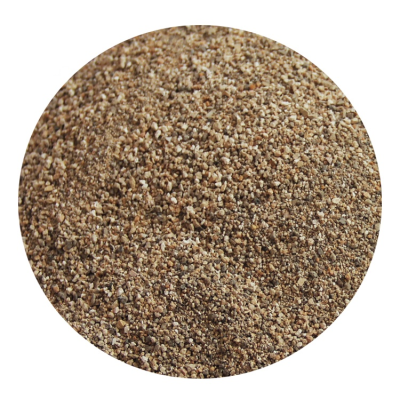
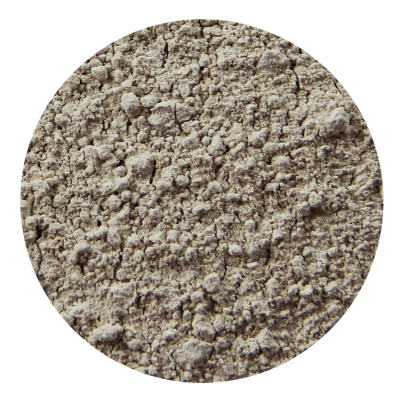
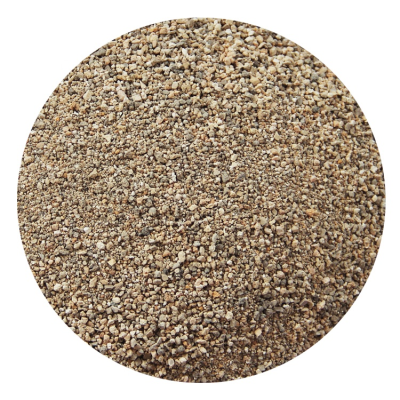
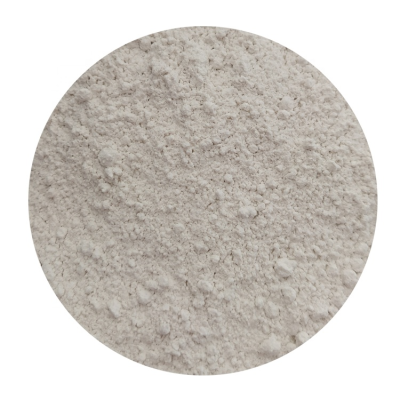
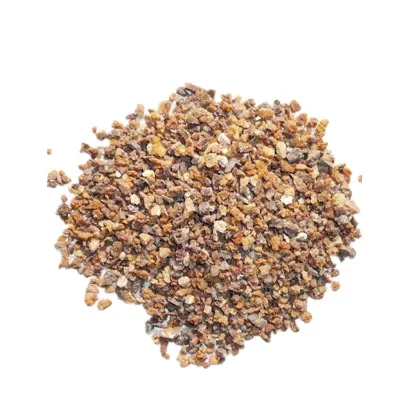
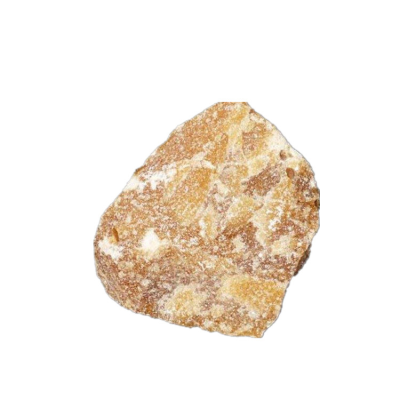
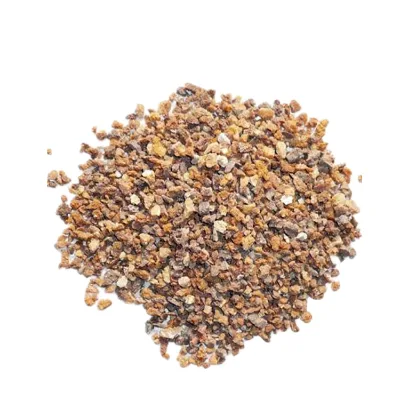
Understanding the technical nuances of calcined magnesite is the first step in defining a precise procurement requirement. The core material is magnesium oxide (MgO), derived from the raw material magnesite. In the current market, products are frequently categorized by their shape and reactivity. Listings indicate a clear distinction between powder forms and grain forms. For instance, specific model numbers such as CCM86 and CCM90 are associated with powder shapes, while other entries describe grain sizes ranging from 1-3MM. This physical form dictates the application suitability; powders are often preferred for chemical processing or refractory bonding, whereas grains are utilized in construction or specific refractory brick manufacturing.
The chemical composition is equally critical. Buyers must verify the MgO content, which in observed listings ranges significantly from 50% up to 99%. A common specification for high-grade industrial applications is a minimum of 90% MgO, often denoted in model numbers like CCM-90. Beyond purity, other chemical indicators define the material's performance. The Loss on Ignition (L.O.I) is a vital metric, with observed ranges between 0.3% and 6.5%, indicating the amount of volatile matter remaining after calcination. Additionally, the pH level typically falls between 9 and 12, confirming the alkaline oxide nature of the product. Impurities such as Acid Insoluble Substance are often capped at a maximum of 2%, while Chromium Oxide (CrO) content is monitored, with some specifications noting a maximum of 1.4%. The reactivity of the material, a measure of how quickly it reacts with acids or water, is another key parameter, with observed values spanning from 60 to 75.
Compliance, Certification, and Quality Standards
In the B2B industrial sector, compliance is not merely a formality but a prerequisite for market access and safety. When sourcing calcined magnesite, buyers must verify that suppliers adhere to recognized international and domestic standards. While specific national standards may vary, the observed market data highlights that certifications such as ISO, RoHS, CIQ, and CCIC are available and relevant for ensuring product safety and environmental compliance. These certifications serve as third-party validations of the manufacturing process and the final product's adherence to quality benchmarks.
The grade standard is another critical compliance factor. Industrial Grade is the most common classification observed, distinguishing the product from agricultural or pharmaceutical grades. This classification implies that the material meets the rigorous purity and consistency requirements necessary for heavy industry applications, such as steelmaking or cement production. Buyers should explicitly request documentation proving that the product meets the "Industrial Grade" standard and verify if the supplier can provide test reports that align with these certifications. It is essential to note that while "First Class" or "Good Quality" are frequently used descriptors in product listings, these are subjective observations rather than standardized metrics. Procurement teams should rely on the objective data provided in the certifications and technical data sheets rather than marketing terminology.
Cost Drivers and Pricing Dynamics
The pricing of industrial grade calcined magnesite is influenced by a complex interplay of factors, including raw material costs, energy consumption for calcination, and logistics. The observed price range in the market is vast, spanning from $0.10 to $1,500 per unit. This extreme variance is not indicative of a single product but rather reflects differences in MgO content, particle size, packaging, and order volume. High-purity grades with 90% or higher MgO content naturally command a premium over lower-grade materials with 50-60% purity.
Packaging also plays a significant role in cost determination. The market offers various packaging options, including 25kg woven plastic bags, 50kg bags, and 1-ton jumbo bags. The choice of packaging affects the unit price and handling costs. For instance, smaller 25kg bags may incur higher per-unit packaging costs compared to bulk ton bags, which are more efficient for large-scale industrial consumption. Furthermore, the Minimum Order Quantity (MOQ) is a primary cost driver. Observed MOQs range from 1 unit to 28 units, with some suppliers requiring a substantial 20-ton minimum. Buyers with smaller volume requirements may face higher per-unit costs or need to consolidate orders to meet supplier thresholds. Understanding these variables allows buyers to negotiate more effectively and select suppliers whose pricing structures align with their specific volume needs.
Typical Applications and Performance Requirements
The versatility of calcined magnesite makes it indispensable across multiple industries. Its primary application lies in the refractory materials sector, where its high refractoriness—observed in listings as exceeding 1770°C—makes it ideal for lining furnaces and kilns. The material's stability and alkaline nature help neutralize acidic environments, protecting industrial equipment from corrosion. In the steel industry, it is used as a flux to remove impurities, where the specific reactivity and purity levels are crucial for process efficiency.
Beyond refractories, the material is utilized in the chemical industry for the production of magnesium salts, fertilizers, and water treatment agents. The pH range of 9-12 and the low acid-insoluble content ensure its effectiveness in these applications. In the construction sector, calcined magnesite is used in the manufacture of fire-resistant boards and cement additives. The specific model numbers like LMME-MgO and CCM83 suggest specialized formulations tailored for these diverse uses. Buyers must match the product's physical form (powder vs. grain) and chemical purity to their specific end-use. For example, a 1-3MM grain size is suitable for refractory bricks, while a fine powder with 200 mesh or 325 mesh specifications is required for chemical synthesis.
Supplier Evaluation and Origin Verification
Selecting the right supplier is as important as selecting the right product. The origin of the material is a key indicator of supply chain consistency. The majority of observed listings trace the product back to Liaoning, China, a region known for its extensive magnesite deposits. This concentration of production suggests that Liaoning is a primary hub for high-quality calcined magnesite. However, buyers should verify the specific production facility and ensure that the "Place of Origin" matches the supplier's claims.
When evaluating suppliers, buyers should look beyond the basic product description. Attributes such as "Accept Customization" and "Sample Available" indicate a supplier's flexibility and willingness to engage in a detailed procurement process. The ability to provide samples allows buyers to conduct their own quality tests before committing to a large order. Additionally, the presence of specific model numbers like CCM-90 or YY suggests a standardized product line, which can simplify the procurement process. Buyers should also inquire about the supplier's processing services; some listings indicate "No" processing service, meaning the product is sold in its raw calcined state, while others may offer additional grinding or sieving. Understanding the supplier's capabilities ensures that the final product meets the exact specifications required for the buyer's operations.
Quality Control and Long-Term Procurement Considerations
Implementing a robust quality control (QC) strategy is essential for maintaining supply chain integrity. Given the variability in MgO content and the presence of impurities like CrO, buyers must establish clear acceptance criteria. Regular testing for key indicators such as L.O.I, pH, and reactivity is necessary to ensure consistency. The observed range of MgO content (65-99%) highlights the need for precise verification; a batch claiming 90% purity must be validated through independent laboratory testing.
Long-term procurement considerations involve building a relationship with suppliers who can guarantee stability. The "Stability" attribute listed in product features suggests that consistent performance is a priority for buyers. Suppliers who offer customization and accept specific requests for standards demonstrate a commitment to meeting evolving buyer needs. Furthermore, buyers should consider the lead times and logistics capabilities of their suppliers. While specific lead times are not universally standardized in the provided data, the availability of samples and customization options implies a responsive supply chain. For long-term contracts, buyers should negotiate terms that include quality guarantees and mechanisms for addressing deviations in product specifications. By focusing on these factors, buyers can secure a reliable supply of industrial grade calcined magnesite that supports their operational goals.
Comparative Analysis of Product Attributes
To facilitate decision-making, the following table summarizes the key attributes observed in the market, highlighting the variations in specifications that buyers must consider.
| Attribute | Observed Range/Value | Relevance to Procurement |
|---|---|---|
| MgO Content | 50% ~ 99% (e.g., 90% min) | Determines purity and price tier. |
| Shape | Powder, Grain (1-3MM) | Dictates application suitability (chemical vs. refractory). |
| Refractoriness | > 1770°C | Critical for high-temperature industrial applications. |
| L.O.I | 0.3% ~ 6.5% | Indicates calcination efficiency and purity. |
| Packaging | 25kg/50kg bags, 1 Ton Jumbo | Affects handling costs and storage requirements. |
| Origin | Liaoning, China | Indicates supply chain concentration and logistics. |
| Certifications | ISO, RoHS, CIQ, CCIC | Validates safety and compliance standards. |
| MOQ | 1 - 28 units (up to 20 tons) | Influences order volume and unit pricing. |
This comparative view underscores the diversity of the market. Buyers must align their specific technical needs with the appropriate product model and supplier capability. Whether sourcing a high-purity powder for chemical synthesis or a grain for refractory lining, the detailed verification of these attributes ensures a successful procurement outcome. By adhering to these evidence-based guidelines, buyers can navigate the complexities of the industrial grade calcined magnesite market with confidence and precision.
FAQs
What is the typical MgO content range for industrial grade calcined magnesite?
The MgO content typically ranges from 50% to 99%, with high-grade options often meeting a minimum of 90%. Specific model numbers like CCM-90 indicate 90% purity, while other listings show ranges between 65% and 99% depending on the grade and application requirements.
Which certifications are available for industrial grade calcined magnesite products?
Available certifications include ISO, RoHS, CIQ, and CCIC to ensure safety and compliance. These third-party validations confirm that the manufacturing process and final product adhere to recognized quality benchmarks for industrial applications.
Can buyers request customization for industrial grade calcined magnesite specifications?
Yes, suppliers generally accept customization requests for specific standards and product models. This flexibility allows buyers to tailor the material to their exact needs, provided they communicate their requirements clearly during the procurement process.
What are the common packaging options for industrial grade calcined magnesite?
Common packaging includes 25kg or 50kg woven plastic bags and 1-ton jumbo bags. The choice of packaging affects handling costs, with bulk ton bags being more efficient for large-scale industrial consumption compared to smaller bags.
How does the shape of calcined magnesite affect its industrial application?
The shape determines suitability, with powder forms preferred for chemical processing and grains used for refractory bricks. Powders often meet mesh specifications like 100 or 325, while grains typically range from 1 to 3mm for construction or lining purposes.
What is the minimum order quantity for sourcing industrial grade calcined magnesite?
Minimum order quantities vary from 1 unit up to 28 units, with some suppliers requiring a 20-ton minimum. Buyers with smaller volume needs may face higher per-unit costs or need to consolidate orders to meet specific supplier thresholds.